Berlin Club Line – modern cannabis genetics inspired by Berlin’s club culture
Berlin is a city known worldwide for freedom, creativity, and an extraordinary nightlife. For decades, the German capital has been one of the most important meeting points for electronic music, international subculture, and alternative lifestyles. People from all over the world travel to Berlin to experience music, develop new ideas, or simply feel the unique atmosphere of the city.
Berlin’s club scene is not only a cultural phenomenon but also an essential part of the city’s identity. Clubs, music labels, artists, and creative communities have shaped a scene since the early 1990s that reaches far beyond Germany. Trends often emerge in Berlin and are later adopted by other cities. This mix of innovation, freedom, and nightlife makes the city truly unique.
This very atmosphere inspired a new cannabis line from Linda Seeds. The Berlin Club Line combines modern cannabis genetics with the energy of Berlin’s club culture and is aimed at growers searching for unique cannabis seeds with character. Each strain in the line is named after a legendary club and reflects a specific vibe associated with that place.
The line consists of three main photoperiod strains available as feminized cannabis seeds as well as their autoflowering versions available as autoflower cannabis seeds:
• KitKat Bitch
• Tresor Buds
• Berghain Bouncer
Additionally, autoflower versions are available for faster grow cycles:
• Auto KitKat Bitch
• Auto Tresor Buds
• Auto Berghain Bouncer
Together, these six strains form a thematic cannabis collection covering different effect profiles: from energetic sativa power to balanced hybrid effects and intense indica dominance. At the same time, all strains share modern terpene profiles, high resin production, and stable plant structures.
The Berlin Club Line was developed and released right at the start of the growing season, but it is not a one-time project. These genetics are intended to remain part of the catalogue long-term and stay permanently available.
This makes the line ideal for growers who are not only looking for powerful cannabis seeds but also for strains with character and a clear concept behind them.
The history of Berlin’s techno and club scene
Berlin’s club culture has its roots in a unique historical situation. After the fall of the Berlin Wall in 1989, the city changed dramatically. Many buildings stood empty, entire industrial complexes were unused, and a sense of new beginnings emerged.
During this time, young artists, musicians, and promoters began using abandoned spaces for parties. Old factories, bunkers, and warehouses turned into improvised clubs. These places offered large spaces, few rules, and enormous creative freedom.
At the same time, a new electronic music movement was developing worldwide. Techno from Detroit, house from Chicago, and other electronic genres found their way to Europe. Berlin quickly became one of the key meeting points of this scene.

Experience typical Berlin nightlife – dark, uninhibited, and full of pure energy.
The club Tresor played a central role. In its dark basement rooms, a sound developed that was minimalistic, hypnotic, and powerful at the same time. Many legendary techno DJs played their first European sets here.
The KitKat Club, on the other hand, represents a different side of Berlin’s nightlife. Here, music is not the only focus – freedom and self-expression also play a major role. The atmosphere is intentionally open, creative, and sometimes provocative.
The Berghain, meanwhile, became a symbol of uncompromising club culture. The club is located in a former power plant and is famous for its industrial architecture and its unique atmosphere.
These three places represent different aspects of Berlin’s nightlife:
• Energy and ecstasy
• Focus and hypnotic flow
• Dark and intense club atmosphere
These three energies ultimately became the foundation for the strains of the Berlin Club Line.
The personal inspiration behind the Berlin Club Line
The idea behind the Berlin Club Line did not arise solely from a general fascination with Berlin’s club culture. It also has a personal story. Anton, founder of Linda Seeds, has lived in Berlin since the 1990s and witnessed the development of the club scene firsthand while attending many of the legendary parties.
During that time, several of the clubs that are now globally associated with Berlin were founded. Old industrial buildings were transformed into dance floors, new sounds emerged, and an international scene found its home in the city. Anton himself was part of this era and spent countless nights in clubs such as Tresor, KitKat Club, and later Berghain, which was still called Ostgut at the time.

Here you can see some treasures from our founder Anton, from his nights at these legendary clubs.
These experiences shaped not only his view of Berlin’s nightlife culture but also the idea of creating a cannabis line that reflects exactly this atmosphere: energy, creativity, focus, and sometimes the darker, more intense side of a club night.
With the legalization of cannabis in Germany in 2024, this idea finally became more concrete. The Linda Seeds breeding team began selecting suitable genetics and developing a line that covers different effect profiles – similar to the different moods of a long Berlin club night.
After extensive breeding work, the Berlin Club Line was finally created: a series of modern cannabis strains reflecting both the musical and cultural diversity of Berlin’s nightlife.
Cannabis and Berlin nightlife
Cannabis has been part of various music and cultural scenes for many decades. In Berlin as well, it is part of the social environment surrounding club culture for many people. It is not necessarily consumed directly inside the club, but often before or after – when meeting friends, relaxing before the party, or unwinding after a long night.
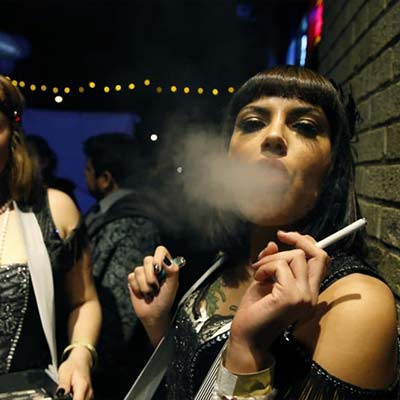
Cannabis is a key element for many techno lovers. It enhances the experience, allowing people to feel the music more intensely and freely, matching the uninhibited vibe of legendary Berlin clubs.
Many people describe cannabis as a way to experience music more intensely. Electronic music in particular, with its complex layers of sound, can feel especially immersive with certain strains.
Sativa-dominant strains are often associated with creative activities and social interaction. They can provide energy and enhance the perception of music or art.
Hybrid strains, on the other hand, offer a balance between mental stimulation and physical relaxation. For this reason, they are popular among people who prefer a more balanced and controlled experience.
Indica-dominant genetics are often better suited for quieter moments, such as relaxing after a long night.
The Berlin Club Line reflects exactly these three directions of effects and translates them into a modern line of cannabis seeds.
The genetic foundation of the Berlin Club Line
Modern cannabis strains and high-quality cannabis seeds are not created by chance. Behind every successful genetic line are carefully selected parent plants whose traits are intentionally combined. Breeders focus not only on high THC levels but also on plant structure, bud density, terpene profile, resin production, and overall genetic stability.
The Berlin Club Line is based on modern hybrid genetics that have gained global popularity in recent years. In particular, American “Cali genetics” have strongly influenced modern cannabis breeding. Many of these lines are known for complex aroma profiles, strong resin production, and stable hybrid structures.
For the three main photoperiod strains of the Berlin Club Line, the following genetic crosses were used:
• KitKat Bitch: Blue Dream × Chemistry Set
• Tresor Buds: Mango Sherbet × Chemistry Set
• Berghain Bouncer: Zombie Death Fuck × Lemon Pie
These combinations connect modern terpene profiles with stable plant development and strong potency. At the same time, the three strains cover different effect profiles, allowing growers to experience a variety of effects within a single cannabis line.
Blue Dream – a modern sativa legend
Blue Dream is one of the most famous cannabis genetics of the past two decades. The strain originally emerged in California and quickly became a classic of modern hybrid breeding.
The genetics are based on a cross between Blueberry and a Haze line. As a result, Blue Dream combines a clear, creative sativa high with a mild relaxing body effect.
Blue Dream is known for its fruity terpene profile with blueberry and citrus notes. At the same time, the plant is relatively robust and grows reliably, making it attractive for both beginner and experienced growers.
Chemistry Set – modern hybrid structure
Chemistry Set is a modern hybrid genetic line known for strong resin production and a stable plant structure. This genetic line often produces slightly gassy and spicy terpene profiles.
Thanks to its strong structure, Chemistry Set is an excellent breeding partner for other genetics. It helps hybrids develop strong bud formation and stable side branches.
Mango Sherbet – tropical terpene profile
Mango Sherbet belongs to the modern fruit-forward cannabis genetics that are appreciated for their aromatic terpene profiles. The strain combines tropical mango aromas with a subtle creamy sweetness.
At the same time, Mango Sherbet contributes a stable hybrid structure, which is why it is often used in modern breeding projects.
Zombie Death Fuck – extreme potency
Zombie Death Fuck is a potent modern hybrid genetic line with a strong indica structure. The plants often produce compact buds with high resin production and powerful effects.
This genetic line was deliberately chosen for the development of Berghain Bouncer because it delivers the desired intensity and a very stable plant structure.
Lemon Pie – citrus terpene complexity
Lemon Pie complements the cross with a fresh citrus profile and additional aromatic nuances. This genetic line ensures that Berghain Bouncer is not only potent but also rich in flavor.
By combining these parent lines, a modern cannabis line with clearly distinguishable profiles was created.
KitKat Bitch – energetic sativa power
The strain KitKat Bitch represents the euphoric and energetic side of Berlin’s club culture. Inspired by the legendary KitKat Club, this genetic line stands for freedom, creativity, and long nights filled with music. It represents sativa cannabis seeds within the Club Line.
Its genetic foundation is a cross between Blue Dream and Chemistry Set. The result is a sativa-dominant hybrid with a clear mental effect and, at the same time, a stable plant structure.
Many consumers describe the high of KitKat Bitch as motivating, creative, and social. This strain is especially well suited for situations where energy and a positive mood are desired.
The terpene profile is shaped by fruity notes. Blueberry, light citrus accents, and subtle gassy nuances can appear in the aroma.
Growers also appreciate this strain for its stable development and strong resin production. Under good conditions, the plants can deliver high yields.
Within the Berlin Club Line, KitKat Bitch marks the energetic entry point of the line.
Tresor Buds – the hypnotic hybrid
The strain Tresor Buds stands for the hypnotic flow of classic techno clubs. Inspired by the legendary Tresor Club, this genetic line combines focus, stability, and controlled intensity.
The cross of Mango Sherbet and Chemistry Set creates a balanced hybrid structure. The ratio of sativa and indica influences is relatively even.
Many consumers describe the effect as calm, clear energy. The high is neither overly euphoric nor heavily sedating, but instead stays in a stable middle ground.
This effect is often described as “alert calmness” – a state in which you remain relaxed and focused at the same time.
The terpene profile combines fruity mango aromas with light citrus notes and a subtle spicy depth.
Within the Berlin Club Line, Tresor Buds represents the central balance between energy and intensity. This strain stands for hybrid cannabis seeds within the Club Line.
Berghain Bouncer – dark intensity and indica power
The strain Berghain Bouncer is the most powerful and intense genetic line within the Berlin Club Line. Inspired by the world-famous Berghain, this strain stands for raw energy, industrial atmosphere, and an uncompromising effect.
While KitKat Bitch represents the euphoric side of club culture and Tresor Buds reflects the hypnotic flow of classic techno sets, Berghain Bouncer symbolizes the darker, heavier dimension of Berlin nightlife.
The genetic foundation of this strain is based on a cross of Zombie Death Fuck x Lemon Pie. Both parent lines bring very different traits into the genetics.
Zombie Death Fuck is a modern indica-dominant line known for its strong effect and robust plant structure. The plants often develop compact, highly resinous buds with high density.
Lemon Pie complements these traits with a fresh citrus aroma and additional terpene complexity. The result is a profile that is both intense and aromatically versatile.
The result is a strain with clear indica dominance, vigorous growth, and a very pronounced terpene profile. The effect often builds up slowly and develops into deep physical relaxation.
Many consumers describe the effect as heavy yet hypnotic. This is exactly the kind of experience that perfectly matches the atmosphere many people associate with Berlin club nights: dark rooms, deep bass, and sets lasting for hours.
Berghain Bouncer is also a particularly interesting genetic option for growers. The plants develop a stable structure with strong side branches and a powerful main cola.
Under good conditions, the buds can develop a dense layer of resin, which also makes this strain attractive for extractions.
Within the Berlin Club Line, Berghain Bouncer therefore represents the most intense and physical option, standing for indica cannabis seeds within the Club Line.
Autoflower versions of the Berlin Club Line
In addition to the photoperiod versions, all three main strains of the Berlin Club Line are also available as autoflower versions. These variants were developed to offer growers a faster and less complicated alternative.
Autoflower cannabis strains differ fundamentally from photoperiod plants. While classic strains begin their flowering cycle through changes in the light schedule, autoflower plants start the flowering phase automatically.
This trait originally comes from Cannabis ruderalis, a subspecies of the cannabis plant that adapted to very short summers.
Modern autoflower hybrids combine this trait with powerful THC-rich genetics. As a result, these strains can deliver strong potency and solid yields despite their shorter life cycle.
The autoflower variants of the Berlin Club Line are based on the following genetic crosses:
• Auto KitKat Bitch: Blue Dream Auto × Cherry Punch Auto
• Auto Tresor Buds: Mango Sherbet Auto × Cherry Punch Auto
• Auto Berghain Bouncer: Zombie Death Fuck Auto × Zookies Auto
Thanks to these crosses, the autoflower versions retain the characteristic traits of their photoperiod counterparts while developing much faster.
Many autoflower cannabis strains need only around 9 to 10 weeks from germination to harvest. This makes multiple harvests per season possible.
This can be a major advantage, especially for outdoor growers in regions with shorter summers.
Terpene profiles and aromas of the Berlin Club Line
In addition to THC content and yield, terpenes are playing an increasingly important role in the selection of modern cannabis strains. Terpenes are aromatic compounds responsible for the scent and flavor of a plant.
At the same time, they can also influence the subjectively perceived effect of a strain.
The Berlin Club Line was deliberately designed so that each strain has its own aromatic profile.
KitKat Bitch falls into the fruity spectrum of modern Cali genetics. Notes of blueberry, citrus, and light gassy nuances shape the aroma.
Tresor Buds combines tropical mango aromas with a creamy sweetness and a subtle spicy depth.
Berghain Bouncer, on the other hand, has a more intense profile with citrus notes, spicy nuances, and a pronounced gassy note.
This diversity ensures that the Berlin Club Line offers not only different effects, but also a broad range of flavors and aromas.
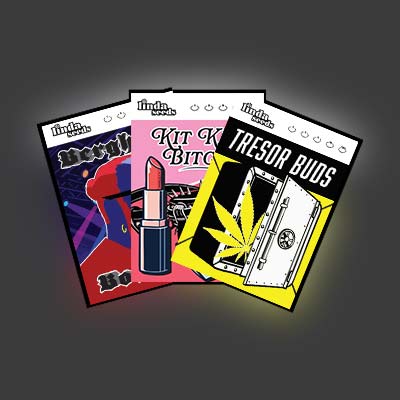
Our new strain packaging pays homage to legendary clubs Tresor, Berghain, and KitKatClub. Discover the authentic Berlin techno vibe in every design.
Grow tips for the Berlin Club Line
All strains in the Berlin Club Line were selected to perform well both in indoor grows and outdoor cultivation. Even so, it is worth following a few basic principles in order to unlock the full potential of the genetics.
Indoors, the plants benefit especially from stable light cycles and good air circulation. Many strains in the line develop a strong main cola and several stable side branches.
This makes the plants well suited for training methods such as:
• Low Stress Training (LST)
• SCROG (Screen of Green)
• moderate topping (recommended only for the photoperiod strains)
Outdoors, the plants often develop a larger structure with strong side branches. In sunny regions, they can reach heights of more than two meters.
Why thematic cannabis lines are especially interesting for growers
Many seed banks regularly release new cannabis strains. In many cases, these are individual strains bred independently from one another and without any direct connection. For growers, this often means that each new strain comes with completely different characteristics – from plant structure and terpene profile to the overall effect.
The Berlin Club Line deliberately follows a different approach. Instead of isolated single releases, a thematic cannabis line was developed in which the strains are connected to one another. The varieties share certain genetic traits, while still differing clearly in their effects and aroma profiles.
For growers, this approach offers several advantages. Anyone growing multiple strains from the same line gets plants with similar stability and comparable growth structures. At the same time, there is still enough diversity to explore different effects, flavor profiles, and grow experiences.
The Berlin Club Line is a good example of this type of modern cannabis breeding. The three main strains were selected to cover different effect profiles:
• an energetic sativa-dominant option
• a balanced hybrid
• a powerful indica-dominant genetic line
This structure allows growers to test different effects in a targeted way without having to cultivate completely different genetic lines.
Terpene diversity instead of one uniform aroma
Another advantage of thematic cannabis lines lies in the diversity of terpene profiles. While many modern hybrids have very similar aroma profiles, the Berlin Club Line was designed to integrate clearly different flavor worlds.
Fruity notes, tropical aromas, citrus nuances, and gassy depth ensure that each strain has its own individual profile.
This diversity is especially interesting for consumers who enjoy exploring different terpene profiles and discovering their preferred flavors.
Combining photoperiod and autoflower versions
Another feature of modern cannabis lines is the combination of photoperiod and autoflowering versions.
While photoperiod strains usually allow for larger plants and higher yields, autoflower strains offer much shorter grow cycles.
For this reason, many growers use both versions in parallel. While photoperiod plants continue growing and are being trained, autoflower strains can already be harvested earlier.
The Berlin Club Line offers autoflower versions of all three main genetics, allowing growers to choose flexibly between different cultivation methods.
Berlin Club Line – comparison of the six strains
The following overview shows the main differences between the six strains of the Berlin Club Line.
|
Strain |
Type |
Genetics |
Genotype |
THC |
Aroma profile |
Link |
|
KitKat Bitch |
photoperiod |
Blue Dream × Chemistry Set |
sativa-dominant |
~24–26 % |
fruity, blueberry, citrus |
view strain |
|
Tresor Buds |
photoperiod |
Mango Sherbet × Chemistry Set |
hybrid |
~25–27 % |
mango, citrus, creamy |
view strain |
|
Berghain Bouncer |
photoperiod |
Zombie Death Fuck × Lemon Pie |
indica-dominant |
~27–29 % |
citrus, spicy, gassy |
view strain |
|
Auto KitKat Bitch |
Autoflower |
Blue Dream Auto × Cherry Punch Auto |
sativa-dominant |
~24–25 % |
fruity, sweet |
view strain |
|
Auto Tresor Buds |
Autoflower |
Mango Sherbet Auto × Cherry Punch Auto |
hybrid |
~26 % |
tropical, mango |
view strain |
|
Auto Berghain Bouncer |
Autoflower |
Zombie Death Fuck Auto × Zookies Auto |
indica-dominant |
~27 % |
spicy, citrus |
view strain |
Why the Berlin Club Line is especially well suited for home growers
More and more people are becoming interested in growing their own cannabis. In recent years, home growing has developed from a niche into an established part of the cannabis community. Many growers want to know exactly which genetics they are growing, which terpene profiles they prefer, and which plant structure best fits their setup.
Especially for home growers, choosing the right cannabis seeds is crucial. Stable genetics ensure that plants grow reliably, develop an even flower structure, and deliver predictable results. This is exactly where the Berlin Club Line comes in.
The strains in this line were deliberately selected to offer a combination of modern cannabis genetics, stable plant structure, and strong terpene profiles. At the same time, they cover different effect directions, allowing growers to choose the right genetics depending on their personal preferences.
For indoor growing, the photoperiod feminized cannabis seeds of the Berlin Club Line offer a high level of control, while the autoflower cannabis seeds are especially interesting for fast outdoor grows.
How the strains of the Berlin Club Line are connected
The Berlin Club Line was deliberately developed as a connected cannabis line. Each strain has its own character, while at the same time the genetics complement each other and together cover different effect profiles, aroma worlds, and grow preferences.
The Berlin Club Line can be read according to personal preference: KitKat Bitch and Auto KitKat Bitch stand for energy and party vibe, Tresor Buds and Auto Tresor Buds stand for focused balance, while Berghain Bouncer and Auto Berghain Bouncer represent the intense, hard-hitting indica side of the series.
If you want to explore the entire line as a whole, you will find a complete overview of all photoperiod and autoflowering variants on the Berlin Club Line category page.
Which Berlin Club Line strain fits which grow?
For classic indoor setups with more control over the vegetative phase, height, and training, the photoperiod variants KitKat Bitch, Tresor Buds, and Berghain Bouncer are especially interesting. They give growers more room for training, plant shape control, and yield optimization. These strains are also suitable for outdoor cultivation in Germany. However, you should have enough space, as they can grow very large. In addition, depending on the region, harvest timing may become a little tight, as it falls between early and mid-October.
For growers looking for a faster and easier solution, or working with a balcony, terrace, or smaller outdoor setup, Auto KitKat Bitch, Auto Tresor Buds, and Auto Berghain Bouncer are particularly well suited. In any case, the autoflowering versions are also perfect for outdoor growing in Germany.
The Berlin Club Line shows how modern cannabis seeds are bred today: stable genetics, complex terpene profiles, and clearly defined effect directions. For many growers, this line combines two things that rarely come together – strong cannabis genetics and a clear cultural inspiration.
FAQ about the Berlin Club Line
What is the Berlin Club Line?
The Berlin Club Line is a cannabis line from Linda Seeds inspired by Berlin’s club culture and the capital’s legendary clubs.
Which strains belong to the line?
The line includes KitKat Bitch, Tresor Buds, and Berghain Bouncer as well as their autoflower versions.
Are the strains permanently available?
Yes. Although the genetics were released at the start of the growing season, they are planned as a long-term part of the catalogue.
Are the strains suitable for beginners?
Many growers report that the plants show a stable structure and reliable development, which also makes them interesting for less experienced growers.

Author of this article
Anton Meixner
Founder of Linda Seeds and cannabis seeds expert
30+ years of experience Cannabis seeds & genetics Indoor & outdoor growing Terpene profiles
Anton Meixner is the founder of Linda Seeds and has been actively involved in cannabis cultivation for more than 30 years. On the blog, he writes about cannabis seeds, genetics, terpene profiles, and indoor and outdoor growing, with a practical, experience-based focus on strains that truly perform. You will also find useful guides and growing tips in the Home Grow section.
Learn more about Anton Meixner