Blue Zushi Comparison – genetics, breeders & the best Blue Zushi for your grow
Blue Zushi has become one of the most in-demand genetics in a short amount of time. Reasons include an intense terpene profile, high potency and – depending on the version – very strong yields. Important: Blue Zushi is not one clearly defined “single” original strain, but a genetic line based on a well-known U.S. scene cut that has been developed differently by multiple breeders. That’s exactly why a precise Blue Zushi comparison of the most common versions is worth it – including a decision aid to help you find which variant is the best Blue Zushi for you.
What is Blue Zushi?
Blue Zushi is a modern, U.S.-inspired genetics family, known especially for its sweet-creamy aroma, dense buds and heavy resin production. Depending on the seed bank, stability, phenotype spread, terpene expression and THC potential can differ significantly – that’s why comparing breeders is essential if you want to find the best Blue Zushi for your setup.
The genetic origin of Blue Zushi
Most Blue Zushi versions trace genetically back to a Zushi selection from the world of modern U.S. genetics. Typically, the line is based on a cross of:
- Zkittlez – responsible for sweetness, fruitiness and candy-style terpenes
- Kush Mints lines – for creamy, slightly gassy notes and high THC levels
This combination often delivers the signature profile:
- sweet-creamy aromas with a fruity undertone
- high to very high potency (depending on the line)
- compact flowers with heavy resin production
- a balanced effect between head and body
Since the original cutting comes from the cannabis scene, multiple legitimate interpretations of this genetics exist today. The exact parent strains of the original clone – as so often with scene cuts – are not conclusively documented or fully traceable.
Comparison table: Blue Zushi from different seed banks
The table gives you a quick overview. If you’re looking for “the best Blue Zushi,” first decide whether stability, maximum potency, closeness to the original or experimentation matters most to you.
| Seed bank / Line | Genetics note | THC potential | Yield (reference) | Phenotypes | Recommended for |
|---|---|---|---|---|---|
| Dutch Passion – Blue Zushi | Kush Mints x Original Z (seedline focus) | up to approx. 26% | XL (up to approx. 600 g/m²) | lower | Beginners & anyone who wants predictability |
| Original Sensible – Blue Zushi | Aroma/potency focus (parents not fully disclosed) | up to approx. 30% | XXL (up to approx. 700 g/m²) | more variation | Experienced growers & terpene lovers |
| Growers Choice – Blue Zushi | Kush Mints x Zkittlez | up to approx. 30% | very high (up to 750 g/m² indoor / 750 g per plant outdoor) | moderate | growers focused on potency, flavor, and yield |
| Linda Seeds – Blue Sushi (Zushi) | U.S. cut + feminized Chem-Set pollen (close to the original) | up to approx. 32% | XXL up to approx. 700 g/m² indoor / up to approx. 1000 g outdoor | stable & vigorous | Anyone looking for the “best Blue Zushi” close to the cut |
| Elev8 – Zushi Supreme (S1) | S1 (selfing/reversal) on a Zushi base | up to approx. 32% | XL (up to approx. 600 g/m²) | S1-typically variable | Experimenters focused on aroma/uniques |
Blue Zushi breeder comparison
Dutch Passion – Blue Zushi
Dutch Passion has developed Blue Zushi as a controllable seedline. The focus is on stability and reproducibility – ideal if you want a predictable Blue Zushi version. Kush Mints and Original Z are named as the genetic basis. Dutch Passion has registered the name “Blue Zushi.” This trademark registration is debated in parts of the scene, since the origin of the genetics is not with the breeder.
- clearly structured growth
- lower phenotype variation
- a balanced terpene profile close to Zkittlez/Sherbert
- XL yields
- THC levels up to approx. 26%
Who is this the best Blue Zushi for? Beginners and anyone who wants a stable, predictable line – less “lottery,” more control. Note: this is a modern interpretation, not the original scene cut.
Original Sensible Seeds – Blue Zushi
Original Sensible Seeds is known for leaning hard into aroma expression and maximum potency potential. In Blue Zushi comparisons, this version often stands out for more variation – especially in terpenes and phenotypes. This seed bank was the first breeder to make Blue Zushi available in seed form.
- intense sweet-creamy notes
- in some cases stronger Cookies/dessert leanings
- THC potential up to approx. 30%
- XXL yields (reference up to approx. 700 g/m²)
Who is this the best Blue Zushi for? Experienced growers who want the full spectrum and aren’t afraid of high THC levels and phenotype selection. The male component used is not disclosed in detail.
Growers Choice – Blue Zushi
Growers Choice approaches Blue Zushi with a clearly defined genetic profile based on Kush Mints and Zkittlez. This places the strain firmly within the classic Blue Zushi spectrum: sweet, creamy, fruity, and highly potent. In a Blue Zushi comparison, this version stands out for combining strong terpene expression with reliable yields.
- genetics: Kush Mints x Zkittlez
- THC potential up to approx. 30%
- very high indoor yield up to 750 g/m²
- outdoor yields up to 750 g per plant
- compact structure indoors, taller outdoors
- fast flowering time of around 8 weeks
In terms of flavor, Growers Choice adds its own twist to the Blue Zushi profile. Alongside the typical sweet and creamy notes, you’ll find distinct hints of berries, mint, and even a subtle cheese-like edge, making it a unique option within the lineup.
Who is this the best Blue Zushi for? Ideal for growers looking for a high-yielding, potent, and terpene-rich version with clearly defined genetics. Thanks to its strong, relaxing effect, it’s best suited for evening use.
Linda Seeds – Blue Sushi (Zushi with an “S”)
Due to the trademark filing by Dutch Passion, Linda Seeds offers the strain as Blue Sushi (with an “S”) and positions it as its own interpretation with a strong focus on closeness to the original. Linda Seeds works with the original Blue Zushi cut from the USA. For seed production, pollen from a feminized Chem-Set is used, which in this combination can preserve the typical character of the Blue Zushi clone and can also further emphasize resin coverage.
- aromatic depth and very strong resin production
- THC potential up to approx. 32%
- performance: up to approx. 700 g/m² indoor, up to approx. 1000 g outdoor
- strong vigor, low tendency to hermaphroditism
Who is this the best Blue Zushi for? Anyone who wants to get as close as possible to the cut while still using the advantages of seed plants (vigor/selection potential). Outdoor is possible if your season stays stable until mid-October.
Elev8 Seeds – Zushi Supreme (S1)
Elev8 Seeds often uses Zushi genetics as a base for powerful crosses (see Block 2). In addition, there is an S1 version called Zushi Supreme. S1 means: a female plant is induced to produce male flowers. That pollen is then used to pollinate the same genetics again. This can produce very exciting, “pure” lines – but it also comes with S1-typical risks such as degenerative growth or hermaphroditism.
- strong Zkittlez dominance
- pronounced fruit and candy profiles
- visually striking plants (often strong bag-appeal phenos)
- for experimental growers focused on aroma & individuality
Note: With S1 lines, clean environmental management (stress reduction) is especially worthwhile, as some S1 plants can react more sensitively and may be more prone to herming.
FAQ – Frequently asked questions about Blue Zushi
What is Blue Zushi genetically?
Blue Zushi is not a single, clearly defined original strain, but a modern genetic line. Most versions go back to a Zushi selection from the world of modern U.S. genetics. Typical influences include Zkittlez (sweet, fruity candy terpenes) and Kush Mints lines (creamy, slightly gassy, very potent). Depending on the breeder, the exact expression can vary significantly.
How high is the THC content of Blue Zushi?
The THC content of Blue Zushi varies depending on seed bank and selection. More stable seedlines often sit around 24–26% THC, while other breeders state potentials from 30% to over 32%. Besides genetics, phenotype, growing conditions and harvest timing are also decisive.
Is there an original Blue Zushi?
Blue Zushi is usually traced back to a U.S. scene cut whose exact parents are not clearly documented. Many versions available today are legitimate interpretations of that cut, transferring or further developing the typical Zushi character in seed form. In practice, “original” usually means: as close as possible to the well-known aroma and effect profile.
Which is the best Blue Zushi?
There is no objectively best Blue Zushi. The best Blue Zushi is the one that fits your grow style and goals best. If you want stability, you’ll lean toward predictable seedlines. If you want maximum potency or closeness to the original, you’ll choose selected lines or cut-close interpretations.
Which Blue Zushi is suitable for beginners?
For beginners, a stable, highly reproducible Blue Zushi version is usually the best choice. Lines with lower phenotype spread and easy-to-control growth reduce stress in the grow and make results more predictable.
Blue Zushi or Blue Zushi crosses – which is better?
It depends on your goal. Classic Blue Zushi versions are ideal for growers who want the typical Zushi character. Blue Zushi crosses are perfect if you want to explore new aroma directions like citrus, berry or melon without giving up high potency.
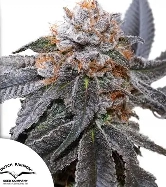
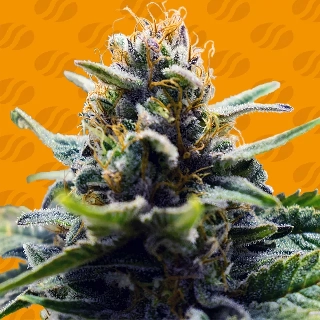
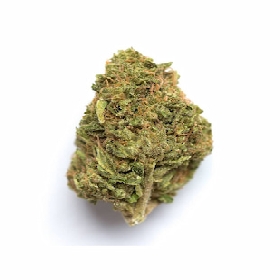
Zushi crosses – how Blue Zushi is being developed further
Through targeted crosses with elite genetics, Zushi hybrids are created that strengthen, change or complement certain traits. If you’re not looking for the best Blue Zushi as an “original interpretation,” but as a new aroma direction, these crosses are especially exciting.
Overview of the Zushi crosses mentioned: Tropical Zushi, Snowberry Zushi, Zushi Verde, Wasabi Lemonade, Melon Maki
Tropical Zushi (Sherbet Zkittlez x Gushers x Kush Mints)
Tropical Zushi pushes exotic-fruity aromas to the front and stays potent thanks to the Kush Mints contribution. If you love Blue Zushi but want more “tropical” vibes, this is one of the most exciting evolutions.
- exotic-fruity terpene profile
- THC potential up to approx. 28%
- yield up to approx. 600 g/m² (reference)
Snowberry Zushi (Strawberry Snowcone x Blue Zushi)
Here, Blue Zushi serves as the base and is combined with another elite clone. The aroma often leans toward strawberry/berry notes without losing the typical Zushi sweetness.
- berry/strawberry-forward profile
- THC potential up to approx. 30%
- high yield
Zushi Verde (Berry Verde x Blue Zushi)
Zushi Verde often feels a bit “fresher” and less candy-heavy. The profile tends more often toward a slightly bitter, minty direction, which makes it interesting for fans of Kush Mints nuances.
- fresher, slightly bitter, sometimes minty
- THC potential up to approx. 26%
- yield up to approx. 550 g/m² (reference)
- advantage: slightly earlier flowering; outdoor harvest sometimes possible late September to early October
This makes Zushi Verde especially interesting for outdoor regions where it gets significantly colder from October onward.
Wasabi Lemonade (Lemon Tree x Blue Zushi)
A cross with classic potential: Lemon Tree brings clear citrus notes that, together with Zushi sweetness, create a very exciting “lemonade” direction. Often there’s a slight spicy edge – without the line losing punch.
- lemony-fresh with a spicy edge
- THC potential up to approx. 30%
- terpene-profile highlight for lemon fans
Melon Maki (Watermelon Gelato x Blue Zushi)
Melon Maki clearly leans into “fruit + dessert”: Watermelon Gelato amplifies the sweet melon character, while Blue Zushi provides the resin and potency foundation. The result is often described as a mix of fruit with a slight diesel touch.
- melon-forward, dessert-like, sometimes with a light diesel note
- THC potential up to approx. 27%
- yield up to approx. 600 g/m² (reference)
Which Blue Zushi variant fits which grower?
- Beginners: Dutch Passion Blue Zushi
- Selection fans: Original Sensible Seeds Blue Zushi
- Closeness to the original / modern interpretation: Linda Seeds Blue Sushi
- Experimenters: Elev8 Zushi Supreme (S1)
- Aroma explorers: Zushi crosses like Tropical Zushi or Melon Maki
Conclusion: Blue Zushi is a genetics family
Blue Zushi is no longer “just one strain,” but a genetic line with different interpretations and further developments. The best Blue Zushi is therefore not objectively “the one,” but the one that best matches your goal: stability, closeness to the original, maximum potency or new terpene directions.

Author of this article
Founder of Linda Seeds and cannabis seeds expert
Anton Meixner is the founder of Linda Seeds and has been actively involved in cannabis cultivation for more than 30 years. On the blog, he writes about cannabis seeds, genetics, terpene profiles, and indoor and outdoor growing, with a practical, experience-based focus on strains that truly perform. You will also find useful guides and growing tips in the Home Grow section.