Grow-Shop for successful cultivation | Nutrients and Pesticides
Linda Seeds Quick Check: Cannabis Nutrients & Plant Protection
-
What will you find in this category?
Grow fertilizers, bloom nutrients, flowering boosters, root stimulators, CalMag supplements, pH regulators and plant protection products for cannabis plants. -
Which growing systems are covered?
Cannabis cultivation in soil, coco and hydroponic systems, with organic and mineral fertilizers as well as compatible supplements. -
How do you choose the right cannabis nutrients?
Start with your plants' growth stage, growing medium and water quality. Choose a suitable base nutrient and add supplements only when they serve a specific purpose. -
What matters when protecting cannabis plants?
Identify pests and plant diseases early, determine the cause and select a suitable product approved for the intended application.
Cannabis Nutrients & Plant Protection – Fertilizers for Growth and Flowering
Healthy cannabis plants need more than light, water and a good growing medium. Balanced nutrition supports root development, vigorous vegetative growth and healthy flower formation. At the same time, an effective plant protection strategy helps prevent pests and diseases from compromising your grow.
Everything your cannabis plants need for healthy growth and flowering
Whether you grow cannabis indoors in soil, use coco coir or run a hydroponic setup, proper feeding is one of the foundations of healthy plant development. During the vegetative stage, cannabis plants focus on building roots, branches, stems and foliage. Once flowering begins, their nutritional requirements change. A well-balanced feeding program must account for the strain, growing medium and stage of development.
At Linda Seeds, you'll find cannabis fertilizers and plant nutrients from established specialist brands including BioBizz, Atami, Athena, Green House Feeding, Cannotecnia and Kaya Solutions. Our selection covers organic grow and bloom fertilizers, mineral nutrient systems, flowering boosters, root stimulators, CalMag supplements and pH regulators.
Plant protection is equally important in cannabis cultivation. Spider mites, thrips, fungus gnats and fungal diseases can quickly become serious problems, especially when growing conditions are less than ideal. That's why this category also includes pest control and plant care products, including selected solutions from Trabe and other specialist manufacturers.
Types of cannabis nutrients and plant protection products
Not every product performs the same job. A grow fertilizer cannot simply be replaced with a bloom booster, and a CalMag supplement won't solve every nutrient deficiency. Understanding these differences helps you feed cannabis plants more effectively and avoid unnecessary additives.
Grow fertilizers for cannabis plants
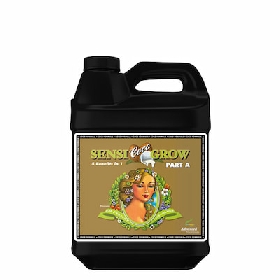
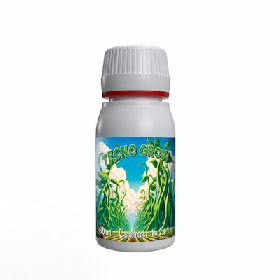
During vegetative growth, cannabis plants need sufficient nitrogen to develop healthy leaves, strong stems and vigorous branching. A good cannabis grow fertilizer supplies nitrogen alongside other essential macro- and micronutrients in a balanced formulation. Popular examples include BioBizz Bio·Grow, Athena Pro Grow and Cannotecnia Tecno Grow. The best choice depends primarily on whether you prefer organic or mineral feeding and which growing medium you use.
Bloom fertilizers for cannabis
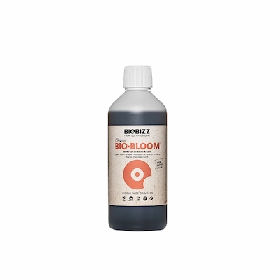
As cannabis plants enter the flowering stage, their nutrient requirements shift. Alongside nitrogen, phosphorus and potassium play important roles in plant metabolism and flower development. A suitable cannabis bloom fertilizer provides a balanced nutrient profile for this stage. Examples include BioBizz Bio·Bloom, Athena Pro Bloom and Green House Feeding BioBloom. The key is choosing a bloom nutrient that fits your growing system and works with the rest of your feeding program.
Flowering boosters and PK supplements
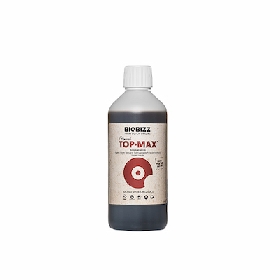
Bloom boosters are designed to complement base nutrients during specific stages of flowering. Many contain additional phosphorus and potassium and are commonly known as PK boosters. Well-known products include Atami Bloombastic, Cannotecnia Monster PK 58/60 and BioBizz Top·Max, although their formulations and intended functions differ considerably. A booster is not a replacement for a complete bloom fertilizer. When feeding cannabis plants, more nutrients don't automatically mean bigger or better flowers. Excessive feeding can interfere with nutrient uptake and put unnecessary stress on the plants.
Root stimulators and beneficial microorganisms
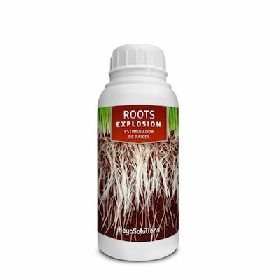
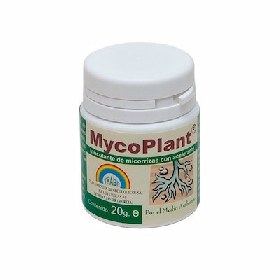
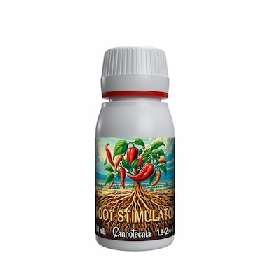
A well-developed root system is essential for efficient water and nutrient uptake. Root stimulators are commonly used during early growth and after transplanting. Products such as BioBizz Root·Juice and Kaya Solutions Roots Explosion are designed to support root development. Products containing beneficial microorganisms, such as Trabe MycoPlant, can also help support biological activity around the root zone. An active soil ecosystem is particularly important when growing cannabis with organic fertilizers.
CalMag, trace elements and nutrient deficiency supplements
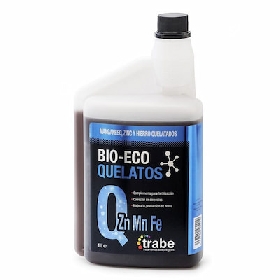
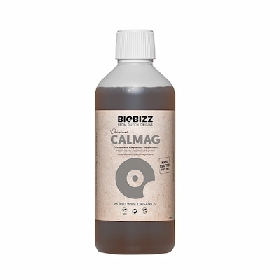
Yellowing leaves, unusual leaf spots or weak growth are often immediately blamed on nutrient deficiencies. However, incorrect pH levels, salt buildup and root problems can produce similar symptoms in cannabis plants. Supplements such as BioBizz Calmag, Green House Feeding CalMag and Trabe Bio-Eco Quelatos are intended to provide additional minerals or trace elements when needed. CalMag is especially relevant when your water contains little calcium and magnesium or your nutrient program doesn't supply enough of these elements.
pH regulators and irrigation system maintenance
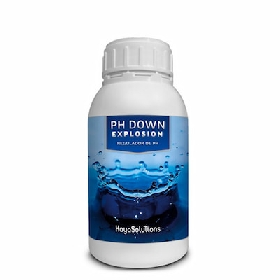
The pH level affects how efficiently cannabis plants can absorb nutrients through their roots. This is particularly important when using mineral fertilizers in coco or hydroponic systems. Products such as Kaya Solutions pH Down Explosion and Athena Pro Balance help adjust the pH of nutrient solutions. Atami ATA Clean, meanwhile, is designed for irrigation system maintenance and helps reduce deposits in lines and drippers. A stable nutrient solution and properly functioning irrigation system are often more valuable than adding another supplement.
Pest control and plant protection for cannabis
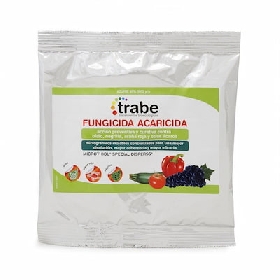
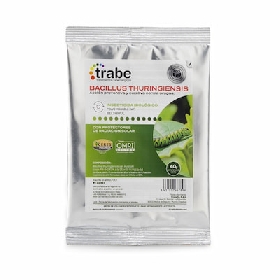
Spider mites, thrips and fungus gnats are among the common pests encountered when growing cannabis. Powdery mildew and other fungal diseases can also become problematic, particularly when humidity is poorly controlled or air circulation is inadequate. Depending on the issue, suitable options may include insecticides, acaricides, fungicides or biological pest control methods. Examples from the range include Trabe Bacillus Thuringiensis, BioFlower Neemex and sulfur-based preparations. Correct identification is essential: a product targeting certain insect larvae will not necessarily work against spider mites or fungal infections. Always check the approved uses and application instructions for each product.
Plant additives and biostimulants
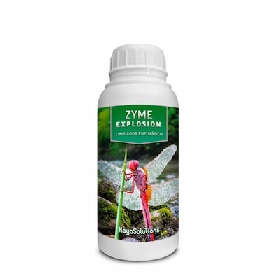
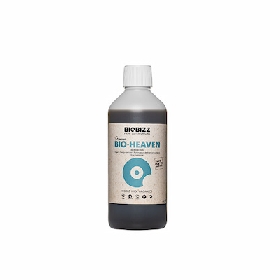
Beyond conventional fertilizers, there are products designed to support specific processes in the root zone or plant metabolism. These include biostimulants, enzyme products and other plant additives. Examples include BioBizz Bio·Heaven, Cannotecnia Glucomax and Kaya Solutions Zyme Explosion. Such supplements can form part of a well-designed cannabis feeding program, but they should never replace a complete supply of essential macro- and micronutrients.
Our take: a balanced feeding program matters more than the number of bottles
When choosing cannabis nutrients, the largest collection of products isn't necessarily the best solution. A successful grow starts with a reliable base fertilizer suited to your growing medium and cultivation method. Only then should you consider which additional supplements are genuinely useful.
In organic soil cultivation, a significant proportion of nutrients becomes available through biological processes in the growing medium. Healthy microbial activity, proper watering and consistent nutrition are particularly important. Adding large amounts of mineral PK fertilizer to an established organic program can disrupt that balance. With mineral feeding in coco or hydroponics, the focus shifts towards nutrient solution composition, electrical conductivity (EC) and pH control.
Our recommendation is simple: keep your cannabis feeding program manageable and consistent. A suitable grow and bloom fertilizer, controlled water quality and targeted supplements are more useful than an overly complicated combination of boosters. A straightforward routine also makes it easier to understand how your cannabis plants respond and when adjustments are necessary.
Organic, mineral and slow-release cannabis fertilizers compared
Whether organic or mineral cannabis nutrients are the better fit depends on your growing system and how you prefer to manage feeding. Both approaches can deliver excellent results, but they differ considerably in how nutrients are supplied and controlled.
Organic liquid fertilizers are widely used for growing cannabis in soil. Mineral nutrient systems allow direct control over the feeding solution and are especially popular in coco and hydroponic setups. Organic slow-release fertilizers gradually supply nutrients over an extended period, reducing the need for frequent liquid feeding.
| Fertilizer type | How it works | Impact on your grow | Product examples |
|---|---|---|---|
| Organic liquid fertilizers | Nutrients are partly released through microbial activity in the growing medium. | Well suited to organic cannabis cultivation in soil; regular feeding according to a nutrient schedule. | BioBizz Bio·Grow, BioBizz Bio·Bloom |
| Mineral fertilizers | Dissolved mineral nutrients are directly available for plant uptake. | Precise control through nutrient solution strength, EC and pH; particularly suitable for coco and hydro. | Athena Pro Grow, Athena Pro Bloom |
| Organic slow-release fertilizers | Nutrients are gradually released over several weeks. | Less frequent feeding; dosage and release duration must match the crop cycle. | Green House Feeding BioBloom |
Popular cannabis nutrients and plant protection products
Some products have become popular among growers because they perform clearly defined functions and can be integrated into established feeding or plant care programs. The following examples highlight the different roles covered by this category.
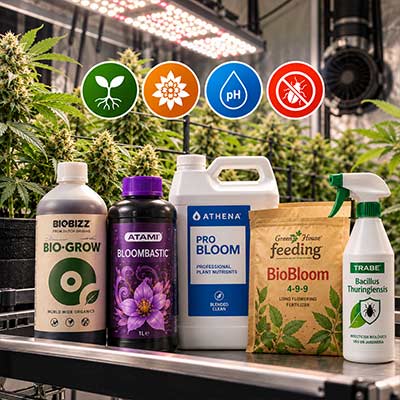
Atami Bloombastic – concentrated flowering support
Atami Bloombastic is a concentrated flowering supplement and one of the better-known bloom boosters used in cannabis cultivation. With a stated PK ratio of 14-15, it provides additional phosphorus and potassium. The manufacturer recommends its use particularly during the final four to six weeks of flowering.
Bloombastic complements a suitable base bloom fertilizer rather than replacing it. If your feeding program already provides substantial nutrients, the additional PK input needs to be taken into account to avoid unnecessarily high overall concentrations.
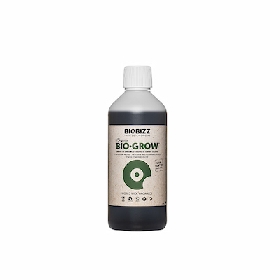
BioBizz Bio·Grow – organic fertilizer for vegetative growth
BioBizz Bio·Grow is an organic liquid fertilizer based on fermented sugar beet extract. It supplies nutrients for vegetative development and is particularly well suited to growers who prefer feeding cannabis plants organically in soil.
One useful detail is that BioBizz doesn't limit Bio·Grow to the vegetative stage. The manufacturer's feeding schedule also includes continued use during flowering, where it contributes to the overall nutrient supply within the organic system.
Green House Feeding BioBloom – organic slow-release bloom fertilizer
Green House Feeding BioBloom is an organic flowering fertilizer with a stated NPK ratio of 4-9-9. It is mixed into the growing medium or applied as a top dressing. Its nutrients then become available gradually through biological processes.
The stated nutrient release period is approximately eight weeks. This makes BioBloom particularly interesting for growers looking to feed cannabis plants with an organic slow-release fertilizer while reducing the need for frequent liquid feeding. Actual nutrient availability also depends on conditions within the growing medium.
Trabe Bacillus Thuringiensis – biological pest control
Trabe Bacillus Thuringiensis represents a biological approach to controlling certain insect pests. Products based on Bacillus thuringiensis contain specific bacterial strains or their active substances, which target particular groups of insect larvae.
It's important to understand that different Bacillus thuringiensis strains target different pests. When selecting a product for pest control on cannabis plants, the bacterial strain, the pest being treated and the approved application must all be appropriate. These products are not automatically effective against spider mites or fungal diseases.
Why buy cannabis nutrients and plant protection products from Linda Seeds?
At Linda Seeds, you'll find products for different stages and requirements of cannabis cultivation. Rather than being restricted to a single feeding system, you can choose solutions that suit your growing medium and preferred cultivation method.
- Grow and bloom nutrients: Base fertilizers for the different development stages of cannabis plants.
- Organic and mineral feeding systems: Nutrient products for soil, coco and hydroponic cultivation.
- Targeted supplements: Bloom boosters, root stimulators, CalMag and trace elements.
- Nutrient solution management: pH regulators and irrigation system maintenance products.
- Cannabis plant protection: Products for preventing and controlling selected pests and plant diseases.
- Established specialist brands: Including BioBizz, Atami, Athena, Green House Feeding, Cannotecnia, Kaya Solutions and Trabe.
How to choose the right cannabis nutrients for your grow
Start with three questions: What stage are your cannabis plants in? Which growing medium are you using? And which nutrients are already available? Getting these basics right helps prevent many of the most common cannabis feeding mistakes.
When growing in pre-fertilized soil, additional feeding may not be necessary immediately. In coco and hydroponic systems, however, the plants depend much more directly on the nutrient solution you provide. Water quality also matters. Soft water may contain relatively little calcium and magnesium, while hard tap water can already supply significant amounts of these minerals.
If your cannabis plants develop yellow leaves, burnt leaf tips or other unusual symptoms, don't automatically increase the fertilizer dose. Identify the possible cause first. Incorrect pH can restrict nutrient uptake even when sufficient nutrients are present. Root damage, waterlogged growing media and excessive salt concentrations can also cause symptoms that resemble nutrient deficiencies.
The same principle applies to cannabis pest control. Tiny pale marks on leaves may indicate feeding damage from pests, while a white powdery coating can point to a different problem. Early identification allows more targeted action. Regularly inspect leaf undersides, new growth and conditions in the grow room. Good hygiene, adequate airflow and routine plant checks are essential parts of prevention.
Conclusion: buy cannabis nutrients and plant protection products at Linda Seeds
Feeding cannabis plants doesn't have to be complicated. A suitable base fertilizer for growth and flowering, an approach tailored to your growing medium and regular plant monitoring provide a solid foundation for a healthy grow. Additional boosters, root stimulators and CalMag supplements are most useful when they serve a clear purpose within your nutrient program.
At Linda Seeds, you can explore cannabis fertilizers, plant nutrients and pest control products for different growing systems. From organic nutrients for soil to mineral feeding programs for coco and hydroponics, plus products for protecting cannabis plants against pests, this category brings together the essentials for a well-planned cultivation routine.
FAQ – Cannabis nutrients, fertilizers and pest control
What is the best fertilizer for cannabis plants?
The best cannabis fertilizer is a balanced grow or bloom nutrient suited to your growing medium. Organic liquid and slow-release fertilizers are commonly used in soil, while mineral nutrient systems are particularly popular for coco and hydroponics. The most important factor is a complete, balanced supply of essential macro- and micronutrients.
What is the difference between cannabis grow and bloom fertilizers?
Grow fertilizers are formulated for vegetative development and often contain a higher proportion of nitrogen. Bloom fertilizers are designed around the changing nutritional requirements of flowering cannabis plants, including the roles of phosphorus and potassium. Each serves a different stage of the plant's development.
Do cannabis plants need a bloom booster as well as bloom nutrients?
No. A bloom booster isn't automatically necessary. A complete bloom fertilizer may already provide everything the plants need. Additional PK boosters should only be used when they fit the existing feeding program. Excessively high nutrient concentrations can cause more problems than benefits.
Are organic or mineral nutrients better for cannabis?
Both can provide reliable nutrition for cannabis plants. Organic fertilizers are particularly suitable for biologically active soil, while mineral nutrients offer direct, precise control over feeding, especially in coco and hydroponic systems. The better choice depends on your growing setup and preferred cultivation method.
When do cannabis plants need CalMag?
CalMag is useful when the calcium and magnesium supplied by your water, growing medium and base fertilizer are insufficient. This can be particularly relevant with very soft water or certain coco feeding programs. Not every cannabis grow requires additional CalMag.
Why is pH important when feeding cannabis plants?
pH affects the availability of nutrients in the root zone. If the pH is outside the suitable range for your growing medium, cannabis plants can show deficiency symptoms even when sufficient nutrients are present. Regular pH monitoring is particularly important in coco and hydroponic cultivation.
Can you mix cannabis fertilizers from different brands?
Yes, provided the products are compatible and their nutrient contents are taken into account. Problems can arise when several products supply excessive amounts of the same nutrients. Always check formulations and mixing instructions, especially when combining concentrated mineral fertilizers and PK boosters.
How do you control spider mites, thrips and other pests on cannabis plants?
The right approach depends on the pest and the plant's development stage. Insecticides target certain insects, acaricides target mites and fungicides target fungal diseases. Biological pest control methods may also be suitable. Accurate identification, appropriate growing conditions and products approved for the intended use are essential. Natural pest control products are not automatically suitable for every application.